Hello Pumpkin Raccoon SVG: A Designer's Review
As a designer who spends more time staring at stitch simulations than I do sleeping, I approach every new digital embroidery file with a healthy dose of skepticism. We have all been there: a graphic looks adorable on the screen, but once it hits the hoop, the details turn into a muddy mess or the density causes puckering that ruins the drape of the garment. That is why I took a close look at the Hello Pumpkin Raccoon SVG before committing it to any client work. This isn't just about whether it is cute; it is about whether it holds up as a professional machine embroidery design ready for real-world application.
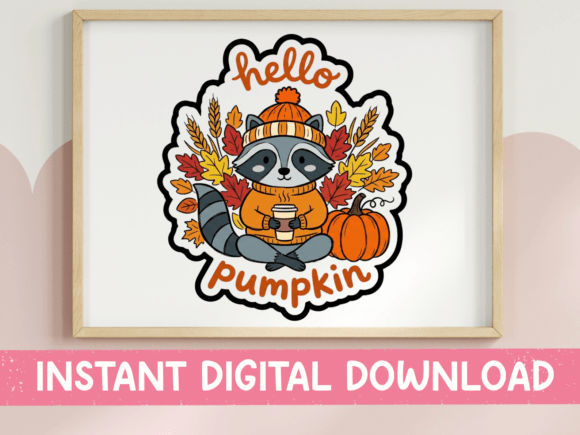
The first impression of this design is undeniably cozy. The concept of a raccoon in an orange striped pom-pom hat and matching sweater, clutching a steaming coffee cup next to a plump pumpkin, screams autumn. However, from a technical standpoint, the "sticker" style mentioned in the description raises immediate questions about edge definition and fill quality. In the world of T-Shirt Designs and Graphics, a flat vector often translates poorly to thread if not digitized with care. My initial assessment focuses on how those bold lines and vibrant colors will translate when rendered in satin stitch and fill stitch.
Visual Personality and Stitch Clarity
The mood this design creates is warm, inviting, and slightly whimsical, making it a perfect candidate for seasonal holiday embroidery. The visual personality relies heavily on the contrast between the raccoon's natural grey tones and the aggressive oranges of the outfit and pumpkin. For an embroidery project to succeed, these color blocks need to be distinct. If the digitizer has done their job, the transition between the striped hat and the raccoon's fur should be crisp, avoiding the "bleed" that happens when thread colors are too close in value or when stitch density is too high.
I am particularly interested in the small details, like the steam rising from the coffee cup and the texture of the pom-pom. In a low-resolution embroidery file, these elements can vanish. A skilled reviewer knows that tiny running stitches used for steam can easily get lost on textured fabrics. If this design is intended as an applique design, the edges need to be secure enough to withstand washing without fraying. If it is a full fill design, the direction of the stitches must follow the contours of the raccoon's face to maintain that adorable expression.
Real-World Application Scenarios
Let's move from theory to practice. Imagine you are preparing a custom order for a boutique client who wants a line of limited-edition fall tote bags. The Hello Pumpkin Raccoon SVG shines here. A canvas tote bag design provides a stable, tight weave that supports detailed stitching. The bold nature of the graphic ensures it reads well from a distance, making it excellent for small shop product displays or craft fair tables.
Another strong use case is sweatshirt embroidery. The thickness of fleece or French terry acts as a natural cushion, allowing the fill stitch areas of the pumpkin and sweater to pop without sinking in. This makes for a high-value handmade product that customers perceive as premium. However, I would exercise caution with baby embroidery. While the theme is perfect for a little one's October outfit, babies have sensitive skin. You must ensure there are no scratchy jump stitches on the backside and that the stabilizer used is soft and tear-away rather than cut-away, which can feel stiff against delicate skin.
For Etsy sellers and creative entrepreneurs, this design could also work beautifully as an embroidered patch. Creating a patch allows you to stitch the design on a stable backing, trim it, and then apply it to various surfaces like denim jackets or backpacks. This versatility increases the perceived value of your design assets and opens up multiple revenue streams from a single purchase.
Material Considerations and Potential Pitfalls
No design is universal, and the Hello Pumpkin Raccoon SVG requires thoughtful fabric selection. Where should you use this carefully? First, avoid highly stretchy knits unless you are experienced with hooping techniques. The dense areas of the sweater and pumpkin can cause the fabric to pucker if the tension isn't managed perfectly. Similarly, be wary of using this on dark fabrics if the design does not include an underlay or background fill. A grey raccoon might disappear into a charcoal hoodie, ruining the visual impact.
Curved surfaces like caps present another challenge. The center of the cap is often the only safe zone for a design of this complexity. If the raccoon's ears or the pumpkin extend too wide, they might hit the seam or curve off the visible area. Always check the dimensions against your hoop size capabilities. Furthermore, products that require frequent washing, like kitchen towels or aprons, demand a robust digitizing job. Ensure the satin columns on the text (if any) or the outline of the raccoon are tacked down securely to prevent looping after the tenth wash cycle.
Enhancing Brand Value and Customer Trust
Using a well-executed design like this directly affects your brand consistency and customer trust. When a buyer receives a finished product where the stitches are uniform, the colors are vibrant, and the theme is on-trend, they associate that quality with your business. It elevates a simple personalized gift into a keepsake. Conversely, a poorly stitched version of this cute raccoon can look amateurish, damaging your reputation as a serious craft business owner.
The "bold" nature of the description suggests this graphic has strong visual appeal, which is crucial for printable mockups and digital previews. In the online marketplace, customers buy with their eyes. A clear, high-contrast image of this raccoon on a mockup can drive engagement and clicks, provided the actual stitched item matches the preview. Professionalism in your presentation starts with choosing commercial embroidery designs that are reliable.
Practical Notes for the Embroiderer
Before you start stitching on your final garment, heed these practical tips. First, always test the design on scrap fabric that matches the weight and texture of your final material. This reveals issues with stitch density and registration before they become costly mistakes. Check the thread color contrast; sometimes the default color map in your software needs tweaking to ensure the orange stripes stand out against the raccoon's fur.
Inspect the small details closely. Does the coffee cup handle look like a cup handle, or just a blob of thread? If the design includes tiny lettering, verify it is legible at your intended size. Use the proper stabilizer for the fabric type—cut-away for knits, tear-away for wovens. If you plan to sell this as a digital embroidery file or use it for custom apparel you intend to resell, confirm the licensing terms immediately. Some designers allow personal use only, while others offer commercial licenses. Never assume.
Finally, consider testing the design in a black-and-white mockup. This strips away the distraction of color and lets you see the structural integrity of the stitch paths. If it looks good in grayscale, it will likely look fantastic in color. The Hello Pumpkin Raccoon SVG has the potential to be a standout piece in your autumn collection, but only if treated with the technical respect it deserves. By combining this charming graphic with sound embroidery practices, you can create holiday gifts and boutique items that truly delight.