Review: Be Mine SVG Cut File for Embroidery Projects
As a designer who spends more time staring at stitch previews than I do sleeping, I approach every new digital embroidery file with a mix of excitement and skepticism. We have all been there: you buy a cute graphic, load it into your software, and realize the lines are too close together for a clean satin stitch or the details will vanish on a textured towel. That is why I took a close look at the Be Mine SVG Cut File before committing it to any client work or personal handmade product line.
This isn't just about whether the image looks good on a screen; it is about how it translates into thread, how it sits on fabric, and whether it holds up as a commercial embroidery asset for an Etsy seller or boutique owner. The product description notes that this is a vector-based asset intended for printing, included in a zip with layered SVG and high-quality EPS files. While the primary pitch is for print, my job is to determine if it can cross over into the realm of machine stitching for custom apparel and decor.
First Impressions: Mood and Visual Personality
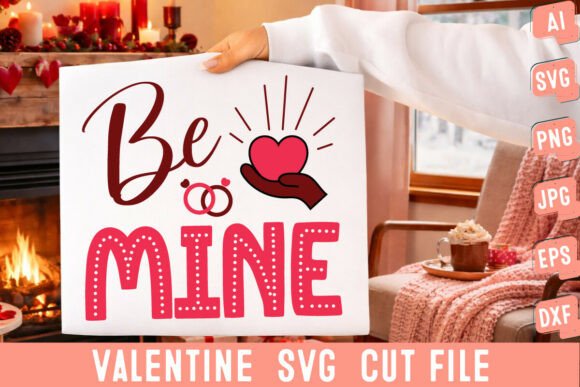
Opening the file, the first thing that strikes me about the Be Mine SVG Cut File is its versatility. The design carries a classic, romantic mood without feeling overly dated. It has that specific visual personality that works equally well for a playful holiday embroidery project for Valentine's Day or a subtle branding element for a wedding gift shop. The shapes appear bold enough to handle conversion from a print vector to a stitch file, which is crucial. In the world of T-Shirt Designs and Graphics, simplicity often wins, but "simple" cannot mean "lacking detail." This design strikes a balance where the layout feels intentional, suggesting it could anchor a sweatshirt embroidery project nicely without looking cluttered.
The theme is universally recognizable, which is a massive plus for small shop products. When customers see a design, they need to understand the message instantly. Whether you are making a tote bag design for a market stall or a personalized gift for a neighbor, the "Be Mine" sentiment reads clearly. However, as a reviewer, I have to look past the sentiment and examine the geometry. Are the curves smooth? Are the corners sharp? These factors dictate whether the final finished product looks professional or amateurish.
Real-World Application: From Screen to Stitch
Let's talk about a real scenario. Imagine I am preparing a batch of custom canvas tote bags for a local boutique's Valentine's promotion. I need a design that pops against natural cotton but doesn't require ten thousand stitches, which would make the bag stiff and uncomfortable. The Be Mine SVG Cut File seems like a strong candidate here. Because it comes as a layered SVG, I can separate elements in my digitizing software to assign different stitch types—perhaps a fill stitch for the main body and a crisp satin stitch for the outlines.
If I were to use this for baby embroidery, say on a onesie or a nursery pillow cover, the scale would need adjustment. The design's flow suggests it could work well on smaller items, provided the stitch density is managed correctly during the digitizing phase. For custom apparel like hoodies or caps, the boldness of the vector lines is an advantage. Caps are notoriously difficult due to their curved surface, but a design with clear, defined edges like this one tends to register better than wispy, overly detailed illustrations.
For craft business owners selling digital assets, this file offers potential as a base for creating printable mockups or even as a source for creating unique embroidered patch designs. The high-quality EPS inclusion means the vectors are scalable without pixelation, a non-negotiable requirement for anyone creating design assets for resale or large-format printing.
Technical Considerations and Fabric Challenges
Here is where experience matters. Just because a file exists does not mean it is ready to stitch immediately. Since the Be Mine SVG Cut File is fundamentally a vector graphic intended for printing, you cannot simply load it into your embroidery machine and hit start. You must digitize it first. This involves defining the thread colors, setting the underlay, and choosing between running stitch, satin, or fill based on the size of the element.
There are specific scenarios where you need to exercise caution. If you are working with thin fabric like silk or lightweight rayon, a dense fill derived from this graphic could cause puckering. In those cases, I recommend converting the solid areas into open motifs or using a lighter stitch density. Similarly, on dark fabric, you must ensure your thread color contrast is high enough so the design doesn't get lost. A black thread on a navy sweatshirt might look sophisticated in theory but muddy in reality.
Small hoop sizes present another challenge. If you are stitching on a cap or a small pocket, you may need to simplify the inner details of the "Be Mine" text or surrounding flourishes. Tiny lettering can easily become a bird's nest of thread if the hoop size restricts your ability to use the proper stabilizer or if the stitch length is too short. Always test on scrap fabric that matches your final material. This is the golden rule of machine embroidery design.
Enhancing Product Value and Brand Consistency
Why choose this specific design over hundreds of others? It comes down to perceived value. A clean, well-executed embroidery design elevates a plain t-shirt into a boutique product. When a customer holds a personalized gift featuring the Be Mine SVG Cut File, the quality of the stitching reflects directly on your brand. Sloppy edges or poor thread choices erode trust, while crisp lines and appropriate fabric pairing build customer trust and encourage repeat business.
For apparel decorators, consistency is key. If you are running a series of holiday items, this graphic provides a cohesive look that ties your collection together. It works as a standalone piece on a chest pocket or as a larger statement on the back of a jacket. Its adaptability makes it a reliable tool in your creative arsenal, helping you maintain brand consistency across different mediums, from kitchen towels to blankets.
Practical Notes for Designers
Before you commit to a full production run using the Be Mine SVG Cut File, keep these practical steps in mind:
- Digitize with Intent: Remember, this is a vector file. You must create the embroidery file yourself or hire a digitizer. Do not assume the SVG paths translate perfectly to stitches without adjustment.
- Check Licensing: The description states it is for product printing. If you plan to sell the digitized embroidery version or the finished physical goods commercially, verify the license terms explicitly. Some "print" licenses differ from "embroidery" or "commercial" licenses.
- Stabilizer Selection: Match your stabilizer to the fabric. Use cut-away for stretchy knits like sweatshirts and tear-away for stable wovens like tote bags.
- Mockup Testing: Create black and white mockups to check contrast before buying thread. This saves money and ensures the design reads well on both light and dark backgrounds.
- Detail Inspection: Zoom in on the corners of the letters and shapes. If they are too acute, they will be impossible to stitch cleanly. Round them off slightly in your digitizing software.
In conclusion, the Be Mine SVG Cut File is a promising foundation for a variety of creative projects. It offers the structural integrity needed for conversion into a machine embroidery design and possesses the aesthetic appeal required for modern T-Shirt Designs and home decor. However, its success relies entirely on the skill of the maker to interpret the vector data into high-quality stitches. For the creative entrepreneur willing to put in the technical prep work, this graphic can become a standout feature in a seasonal collection or a year-round bestseller.