Review: Watercolor Jumping Narwhal Sticker for Embroidery
As a designer who spends more time staring at stitch maps than actual ocean waves, I am always skeptical when I see a "watercolor" style graphic pitched for machine embroidery. The Watercolor Jumping Narwhal Sticker initially caught my eye in the T-Shirt Designs and Graphics category, but my immediate question was practical: can this loose, painterly aesthetic actually translate into thread without losing its charm or becoming a stitching nightmare? After reviewing the design assets with a critical eye toward real-world application, I have some thoughts on where this file shines and where it requires careful handling.
The Aesthetic Challenge: Painterly Vibes vs. Stitch Reality
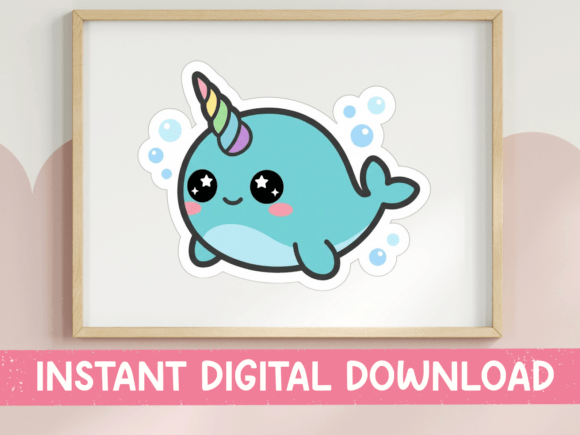
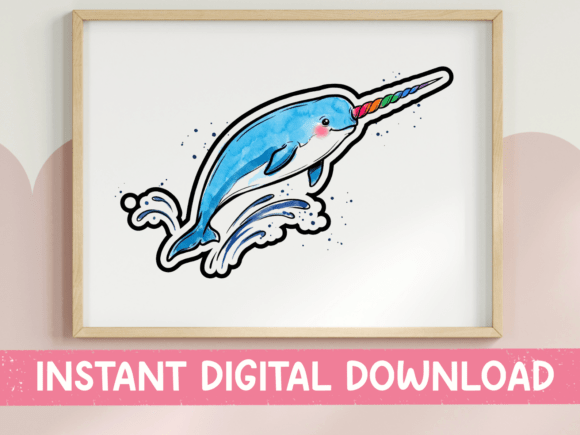
The first impression of this design is undeniably cheerful. The concept of a bright blue narwhal leaping from teal waves with a rainbow-striped horn creates an instant mood of whimsy and energy. For an embroidery project, however, the "loose" nature of watercolor art is a double-edged sword. In digital graphics, soft edges and blending colors are effortless. In machine embroidery, we are bound by stitch density, thread tension, and the physical limitations of the needle.
This specific design relies heavily on the interplay of the teal waves and the vibrant horn. If the embroidery file utilizes too many tiny color changes to mimic the watercolor bleed, it could result in excessive trimming and a messy backside. Conversely, if it uses broad fill stitch areas without enough texture, it might look flat and cartoonish rather than artistic. The success of this piece hinges on how well the digitizer managed the transition between the splashing waves and the solid form of the narwhal. It feels like a design that demands high-quality rayon or polyester threads to capture that specific oceanic glow.
Real-World Application: From Mockup to Finished Product
To truly evaluate the Watercolor Jumping Narwhal Sticker, I imagined a specific scenario: a custom order for a boutique baby shop needing a unique personalized gift line. Picture a soft, heather-grey fleece sweatshirt or a canvas tote bag intended for a beach-themed nursery. This is where the design finds its natural home. The playful subject matter fits perfectly with baby embroidery and children's custom apparel.
If I were producing this for an Etsy seller or a small shop product line, I would likely position it as a centerpiece for a summer collection. The rainbow horn offers a fantastic opportunity for creative thread choices, perhaps using variegated threads to enhance the "painted" look. On a tote bag, the design acts as a bold statement piece. However, on a sweatshirt, the texture of the fleece could interact beautifully with the wave details, provided the underlay is sufficient to prevent the fabric from poking through the lighter teal sections.
For those creating printable mockups or digital product previews, this graphic offers strong visual appeal. It signals fun and creativity, which drives buyer engagement. But remember, a mockup looks perfect; the stitched version must withstand scrutiny. Customers trust handmade products that look professional, and a poorly executed watercolor effect can undermine that trust quickly.
Technical Considerations and Fabric Compatibility
While the design is charming, there are specific scenarios where you must proceed with caution. The complexity of the splashing waves suggests that this might not be ideal for very small hoop sizes unless the design has been specifically scaled down with simplified details. Tiny, intricate corners in the wave splashes could become bird nests if the stitch count is too high for the area.
Fabric choice is critical here. On dark fabrics, the bright blue and teal will pop, but you must ensure the digitizing includes a solid underlay to prevent the dark background from muting the colors. On stretchy fabrics like jersey knits, the density of the fill stitches in the narwhal's body could cause puckering if the correct stabilizer isn't used. I strongly recommend testing on scrap fabric first, especially if you are attempting this on textured materials like waffle weave or heavy denim.
Curved surfaces present another challenge. Applying this to a cap might distort the perspective of the jumping narwhal, making the waves look uneven. Similarly, if you are considering this for an embroidered patch, ensure the border is clean and that the satin stitch edging (if applicable) doesn't eat into the delicate wave details. For items that require frequent washing, such as kitchen towels or aprons, verify that the stitch density isn't so high that it creates a stiff, cardboard-like feel on the fabric.
Designer Notes for Commercial Use
Before adding this to your catalog of design assets or using it for commercial embroidery projects, there are several practical steps to take:
- Check the License: Always confirm the licensing terms. Just because a file is available doesn't mean it is cleared for unlimited commercial sales or digital redistribution.
- Thread Contrast: Review the suggested thread colors. You may need to adjust the shades of blue and teal to match your specific brand palette or to ensure visibility on different fabric textures.
- Stitch Density Review: Inspect the file in your editing software. Look for overly dense areas in the horn or waves that might benefit from reduced density to save thread and improve drape.
- Black and White Test: Run a test stitch-out in a single color or grayscale. This helps you see if the shape holds up without relying on the color transitions to define the image.
- Hoop Size Confirmation: Verify the minimum hoop size required. Do not attempt to force a large design into a small frame, as this compromises the registration of the multiple color stops.
Final Verdict on Visual Appeal and Value
The Watercolor Jumping Narwhal Sticker is a standout choice for designers looking to add a touch of marine whimsy to their portfolio. Its strength lies in its ability to convey movement and joy, making it highly effective for holiday embroidery gifts, boutique branding, and personalized products. When executed correctly with the right stabilizer and thread quality, it elevates the perceived value of the finished product.
However, it is not a "set it and forget it" file. It demands respect for the medium of embroidery. The transition from a loose watercolor graphic to a structured stitch pattern requires attention to detail. If you are an experienced maker willing to test and tweak, this design can become a best-seller in your small business. If you are looking for a quick, low-effort fill, the nuances of the waves and the horn might frustrate you. Ultimately, this design rewards the careful crafter with a vibrant, eye-catching result that customers will love.
Whether you are decorating a child's pillow cover or creating a limited run of artist tees, let the energy of the leaping narwhal guide your process. Just remember to stitch smart, check your tension, and enjoy the splash of color it brings to your work.