Leopard Be Mine Valentine's Day Png Svg Review
As a designer who spends more time staring at stitch maps than most people care to admit, I approach every new machine embroidery design with a mix of excitement and skepticism. When I first pulled up the Leopard Be Mine Valentine s Day Png Svg files, my initial reaction wasn't just about the cute factor; it was about feasibility. We all know that what looks crisp on a screen can turn into a bird's nest of thread if the details aren't right. This review breaks down how this specific graphic holds up when you move from digital asset to tangible, stitched reality.
First Impressions: Mood and Visual Personality
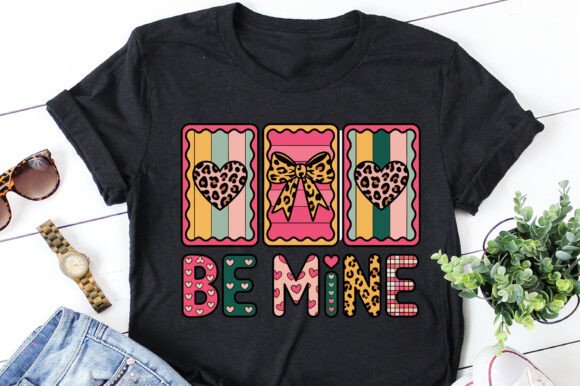
The immediate vibe of this design is playful yet sophisticated. Combining the classic "Be Mine" sentiment with a leopard print motif creates a modern twist on traditional holiday embroidery. It feels less like a childish craft project and more like something you'd see in a boutique window. The shape is generally clean, which is a good sign for digitizing potential, but the leopard spots introduce a variable that requires careful attention. In a printed T-Shirt Design, those spots are just ink; in embroidery, they represent changes in stitch density or color jumps. The layout suggests a central focal point perfect for chest logos on sweatshirts or a statement piece on a tote bag.
Real-World Application: The Sweatshirt Test
To truly evaluate this embroidery file, I imagined a specific scenario: a custom order for a local boutique needing a limited-run Valentine's collection. The client wanted custom apparel that felt trendy but not disposable. I visualized the Leopard Be Mine Valentine s Day Png Svg stitched onto a heather grey French terry sweatshirt.
Here is where the practical judgment comes in. Since the source files provided are high-resolution PNGs (4500px x 5400px) and vectors (EPS, AI, SVG), the clarity is there for digitizing. However, as an embroiderer, you cannot simply import a PNG into your machine software and expect magic. You must digitize this manually or use auto-digitizing software with extreme caution. The leopard spots need to be simplified. If you try to stitch every single spot individually using satin stitch or small fill stitch areas, the production time will skyrocket, and the fabric may pucker. My recommendation? Treat the leopard pattern as a texture within a larger fill area, or simplify the spots into fewer, larger shapes to maintain stitching clarity.
Versatility Across Products
Beyond sweatshirts, this design has legs in other categories. Imagine this as an embroidered patch sewn onto a denim jacket or a canvas tote bag design. The bold contrast of the text against the animal print works well on textured fabrics where subtle details might get lost. For baby embroidery, however, I would proceed with caution. The density required to make the leopard print pop might be too stiff for delicate infant knits unless you scale the design down significantly and reduce the stitch count.
For Etsy sellers and craft business owners, this graphic is a strong contender for personalized gift items. It fits perfectly into the "galentine's day" niche or self-love themes. Whether you are making aprons, pillow covers, or tea towels, the visual appeal is high. It signals effort and style, which directly impacts product value and customer trust. A finished product featuring this design looks professional, provided the stitching is clean.
Technical Considerations and Fabric Challenges
While the Graphics provided are print-ready, translating them to thread introduces physical constraints. Here are the specific areas where you need to be careful:
- Fabric Texture: On looped towels or fuzzy fleece, tiny details in the leopard spots might disappear. You may need to enlarge the design or simplify the internal details.
- Stretchy Fabric: If applying this to a cap or a stretchy tee, the density of the fill stitches could cause distortion. Proper stabilizer selection is non-negotiable here. A cut-away stabilizer is likely better than tear-away for this level of detail.
- Dark Fabric: The design relies on contrast. If stitching on black fabric, ensure your "leopard" colors are bright enough to stand out, or consider adding a white underlay to prevent the dark fabric from muting the thread colors.
- Small Hoop Sizes: Check the dimensions before committing. If the design is too large for a standard 4x4 hoop, you might need to split it or find a machine with a larger field, which complicates the workflow.
Digitizing and Stitch Strategy
Since the package includes vector files (AI, EPS, SVG), you have the freedom to manipulate the paths before digitizing. This is crucial. Do not rely on the default settings of your embroidery software. Manually assign running stitch for outlines if you want a sketch-like feel, or dense fill stitch for a solid, premium look. Pay close attention to the lettering in "Be Mine." Tiny lettering can easily become illegible if the stitches are too tight or if the thread thickness overwhelms the character width. Always test the text at 100% size on scrap fabric first.
Maximizing Commercial Potential
For those looking to sell finished product or design assets, the presentation is everything. This design shines in printable mockup previews because of its high DPI. When listing this as part of a small shop product line, emphasize the uniqueness of the animal print theme for Valentine's Day—it stands out against the usual sea of red hearts.
However, a word on licensing: The product description mentions it is a T-Shirt Design with POD print-ready files. Before selling embroidered goods, you must confirm the license terms regarding commercial embroidery. Some licenses cover printing but restrict digital redistribution or specific types of manufacturing. Always read the fine print to protect your craft business.
Final Verdict and Designer Notes
The Leopard Be Mine Valentine s Day Png Svg is a versatile, stylish graphic that translates well to embroidery if handled with technical care. It offers a fresh take on seasonal decor and apparel. To ensure success in your embroidery project:
- Test First: Always stitch a sample on the actual fabric you intend to use. Check for puckering and thread breaks.
- Check Contrast: Verify that your chosen thread colors provide enough contrast against the fabric background.
- Simplify Details: Don't be afraid to edit the vector file to reduce the number of leopard spots if the stitch count gets too high.
- Review Density: Ensure the fill areas aren't so dense that they make the fabric stiff, especially for wearable items.
- Confirm Licensing: Double-check usage rights for commercial sales before listing items on Etsy or in your boutique.
In conclusion, this design is a winner for makers who understand the bridge between digital art and needlework. With the right digitizing adjustments and material choices, it can elevate a simple garment into a standout handmade product that customers will love.